



Snethkamp Chrysler Dodge Jeep Ram of Gaylord

Blog / Snethkamp Chrysler Dodge Jeep Ram of Gaylord Service

Time for New Tires? Visit Your CDJR Dealership Today

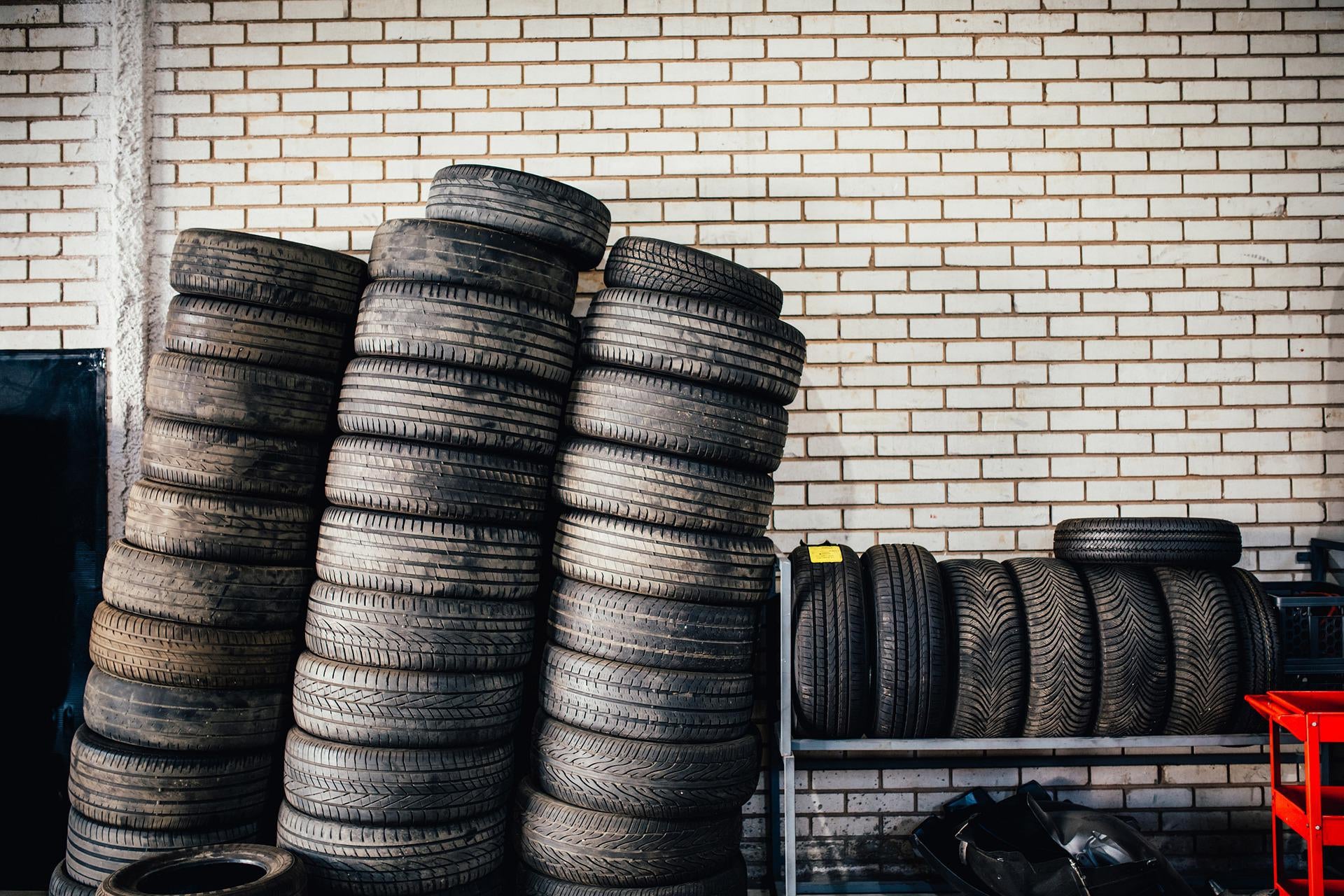
A stack of tires in an auto garage

Image via Pixabay.

For most drivers, new tires typically last from four to five years, which is about 60,000 to 75,000 miles. However, sometimes tires can undergo premature wear and tear or become dangerously damaged, so it's important to keep a close eye on the condition of your tires at all times. The following are a few warning signs to look out for. You can have worn-out or damaged tires promptly replaced at your local Chrysler dealership. 

Constantly Escaping Air

Car tires should always be kept at optimal pressure. Any over or under-inflation can cause overheating, blowouts, and skids. If you notice that one of your tires isn't maintaining air pressure as it should, you might have a hidden puncture or dented tire rim on your hands. You can ask a technician to either find and fix the problem or replace the problematic tire entirely. 

Odd Sounds and Vibrations

Bad tires will often reduce your vehicle's handling while increasing road friction. As a result, you may hear unusual road noise and feel vibrations from below, especially when driving at high speeds.

Balding Tire Treads

Car tires should never allowed to grow bald, even in patches. Sufficient tread depth is essential to grip the road. If the tread depths on your tires fall to 2/32 of an inch, have them replaced at once. 

Excessively Uneven Wear

While tires naturally wear down unevenly, this isn't good for your vehicle or driving safety. Uneven tires will eventually lead to reduced handling, increased road friction, and excessive wear and tear. 

You can usually mitigate the negative effects of uneven tire wear with regular tire rotation. However, sometimes unevenness becomes so excessive that the tires need to be replaced. 

Bulges and Other Damage

Driving over curbs, potholes, and rocks on the road can cause serious damage to a tire. These kinds of impacts may rupture internal layers of rubber within a tire, resulting in strange bulges and blisters on the outside. This kind of damage usually means the tire has to go.

Any other clear external damage such as deep cuts may also make a tire unsafe to use. Sometimes a cut can be repaired; you'll need to ask a technician if your damaged tire is salvageable. 

Poor Traction After Rain 

All drivers should feel confident in their vehicle's ability to maintain traction on varying road surfaces. If you ever suspect a slight loss of traction in your tires, which might become apparent when the roads are wet, don't hesitate to have a technician take a look. When it comes to your tires, safe is always better than sorry.

Have your tires inspected and replaced today by experienced technicians at Snethkamp Chrysler Dodge Jeep Ram of Gaylord. We proudly serve the drivers of Gaylord and all of Northern Michigan with excellent cars, deals, financing arrangements, and customer service. 
Posted in:

Related Posts

Dodge Service for Gaylord, MI

Dodge Service Guide: Keeping Your Vehicle Running Strong in Gaylord, MI

Staying on top of your Dodge service schedule is one of the simplest ways to protect your vehicle and avoid costly repairs down the road. No matter if you're driving a Charger, a Durango, or any other Dodge vehicle, routine maintenance keeps everything running the way it was built to. For drivers in Gaylord, MI, where winter weather and seasonal road conditions can take a real toll on your vehicle, staying ahead of maintenance is especially important. When Does My Car Need a Routine Oil Change? One of the most common questions drivers have is, "when does my car need a routine oil change?" The general recommendation for most modern vehicles is every 5,000 to 7,500 miles if you're using conventional oil, or every 7,500 to 10,000 miles with full synthetic oil. However, always check your owner's manual for the most accurate guidance. If you notice your oil life monitor dropping, your engine sounding noisier than usual, or your oil looking dark and gritty on the dipstick, those are clear signs it's time to schedule a Dodge service appointment. Don't wait until something feels wrong - by then, the problem may have already progressed. Other Routine Maintenance Your Dodge Needs Oil changes are just one piece of the puzzle. A complete Dodge service routine also includes tire rotations, brake inspections, fluid top-offs, and filter replacements. Tires should typically be rotated every 5,000 to 7,500 miles to promote even wear and extend their lifespan. Brake pads, depending on your driving habits, generally need attention every 25,000 to 65,000 miles. Coolant, transmission fluid, and power steering fluid also need periodic checks and changes. Staying consistent with these services helps prevent larger mechanical issues and keeps your Dodge performing at its best through every season. Signs Your Dodge May Need Service Sooner Than Expected Even with a solid maintenance routine, sometimes your vehicle will tell you it needs attention ahead of schedule. Warning lights on your dashboard, unusual vibrations, pulling to one side while braking, and strange noises are all signals you need to pay attention to. Ignoring them can lead to more extensive - and more expensive - repairs. If you can't remember the last time you had an oil change, that's a good enough reason to have your oil changed ASAP. Catching small issues early is always better than dealing with a breakdown later, especially during Michigan winters. Genuine Parts and Certified Technicians Make a Difference When you bring your Dodge in for service, the quality of parts and technicians is important. Certified service centers use OEM-approved components designed specifically for your vehicle, which helps maintain performance and reliability. Dodge vehicles like the Charger Scat Pack and Durango SRT are built with precision, and they deserve parts that match that standard. Choosing a service team familiar with the Dodge lineup means faster diagnostics, more accurate repairs, and greater confidence that the job is done right the first time. Keep Your Dodge in Peak Condition Routine Dodge service isn't just about maintaining your vehicle - it's about protecting your driving experience. From oil changes to brake inspections and everything in between, staying consistent with your maintenance schedule pays off over time. Drivers throughout Gaylord, MI, can count on knowledgeable service professionals to help keep their vehicles road-ready all year long. Come and see the service professionals at Snethkamp CDJR Gaylord or visit us online at snethkampgaylordcdjr.com to schedule your next service appointment today.

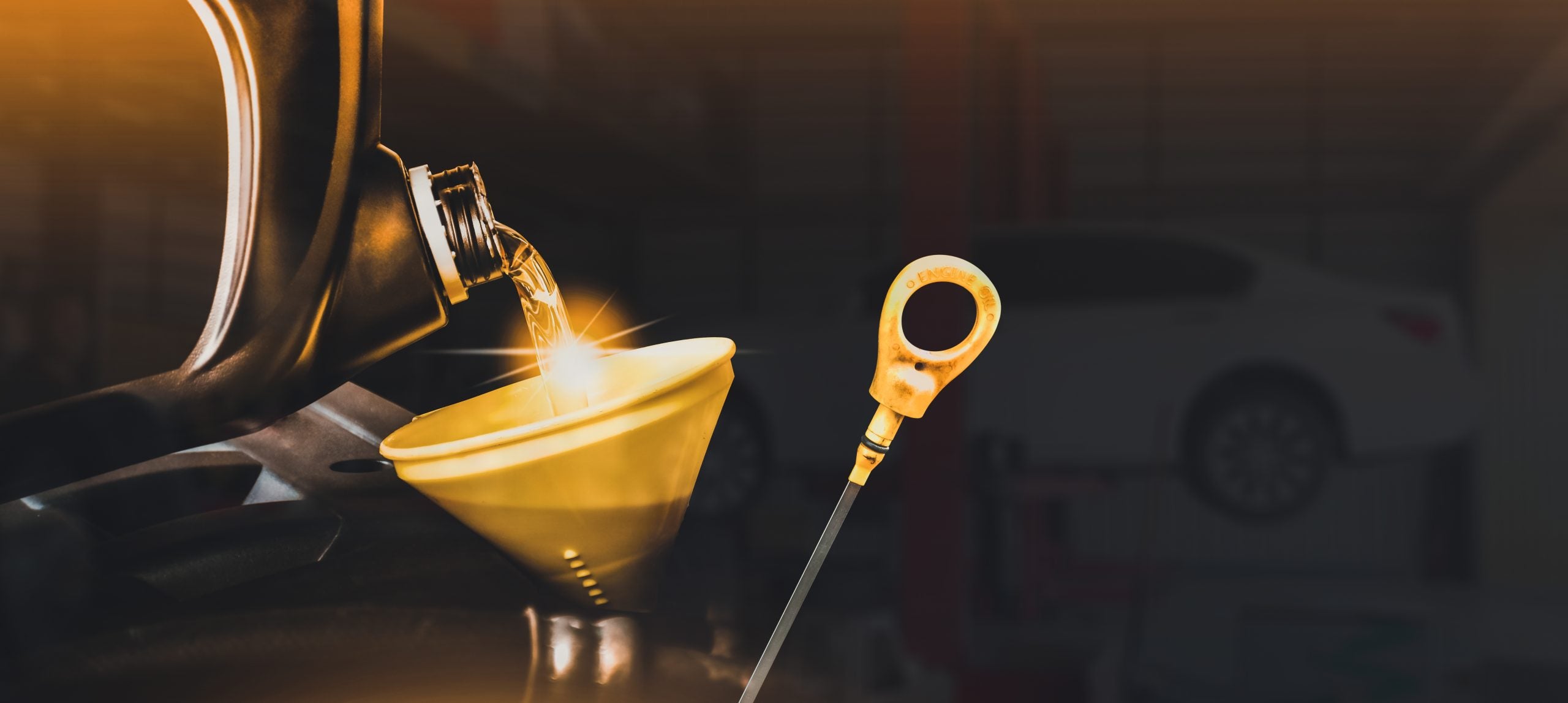
An up-close shot of an oil change in progress

Dodge Oil Change Protocols: Ensuring Engine Longevity

Image via Snethkamp CDJR of Gaylord. Maintaining the health of your engine is vital for its performance, efficiency, and longevity. To keep your engine healthy, it's important that you keep clean engine oil circulating through your system. Read on to discover how often you must visit your trusted Dodge dealer for an oil change and how clean oil extends the longevity of your engine. Clean oil is vital for many reasons, including keeping your engine clean. The dirtier your oil is, the more likely it becomes that your engine will be damaged by dirt and other circulating debris. Furthermore, clean oil helps prevent rust buildup. Additionally, clean oil protects your engine by ensuring its moving parts remain lubricated. Moreover, having dirty oil swapped for fresh oil ensures engine longevity by managing heat. Other Benefits of Clean Engine Oil Besides ensuring your motor's longevity, clean oil provides many other benefits. For instance, ​it improves fuel economy because your motor doesn't have to work ​as hard when its moving components are lubricated sufficiently. You can also enjoy ​a much better driving experience; your drive will be quieter, and you ​can accelerate better due to the clean engine oil's heat management. How Often You Should Visit Your Dodge Dealer for Motor Maintenance A good rule of thumb is to come in for an engine oil replacement every 7,000 to 10,000 miles. However, you may need to come in more frequently depending on how much strain you put your motor under. One of the most common examples of severe driving conditions is routinely idling for extended periods, such as when warming up your car before driving in the winter and driving in stop-and-go traffic. Another common way motors are put under "severe" strain is short trips. If you regularly drive fewer than four miles at a time, it may be necessary to come in for more frequent oil swaps. More frequent oil replacements also may be necessary if you regularly: Drive in dusty conditions Tow heavy things Haul heavy things on your roof Traverse steep inclines Drive fast in hot weather Keeping clean engine oil in your system will improve your Dodge's performance and extend the useful life of your motor. Contact us at Snethkamp Chrysler Dodge Jeep Ram of Gaylord in Gaylord, MI to schedule your routine engine maintenance if it's been a few months since your last service.

A 2023 Dodge Charger driving through the woods

Should You Buy or Lease Your Next CDJR Vehicle?

Image via Snethkamp CDJR of Gaylord. Buying a car is just one way to get into a new vehicle. Leasing is also an option, but the process works a little differently. Keep reading to explore whether you should buy or lease a car and how to locate a reputable Chrysler dealer near you that can help. To Buy or Lease a Car: That Is the Question A vehicle lease allows you to effectively "rent" a car for an extended amount of time without the commitment of buying. This can work better for some individuals and even businesses than putting a large down payment on a vehicle or purchasing it with cash. Key Features of Buying When you buy a car, even with financing, you own it. The title, insurance, and tax records will be in your name. You can keep the vehicle as long as you want or sell it to someone else, but you are also responsible for its maintenance and any repairs that may need to be made. How Leasing Works With leasing, you pay a monthly fee to use the vehicle for a specific period. The dealership retains ownership of the car, but you are typically required to pay for insurance while you drive. Once your lease ends, the car is returned. You may or may not have the option to buy at this time. Most leased vehicles have robust parts and labor warranties, so the cost of caring for the vehicle is significantly lower. This can be a big plus for people who struggle to budget for unexpected issues. Lease payments may also be lower than financing for a new vehicle, since you aren't paying for the entire life of the car. Instead, you're only paying for the portion of the vehicle's lifespan when you will be driving it. What to Look For in a Reputable Chrysler Dealer When you're looking for a qualified Chrysler dealership near you, keep these important things in mind: A majority of positive online reviews Timely responses to negative reviews A large inventory with multiple models Easy to reach someone when calling Flexible financing available Monthly vehicle specials Contact our team at Snethkamp Chrysler Dodge Jeep Ram of Gaylord in Gaylord, MI to learn more about the differences between buying and leasing a vehicle or to schedule a test drive. We're looking forward to helping you find the right vehicle and payment arrangement to fit your specific needs.